📸 NASA 今日の天文画像
Astronomy Picture of the Day (APOD)
2026-09-10
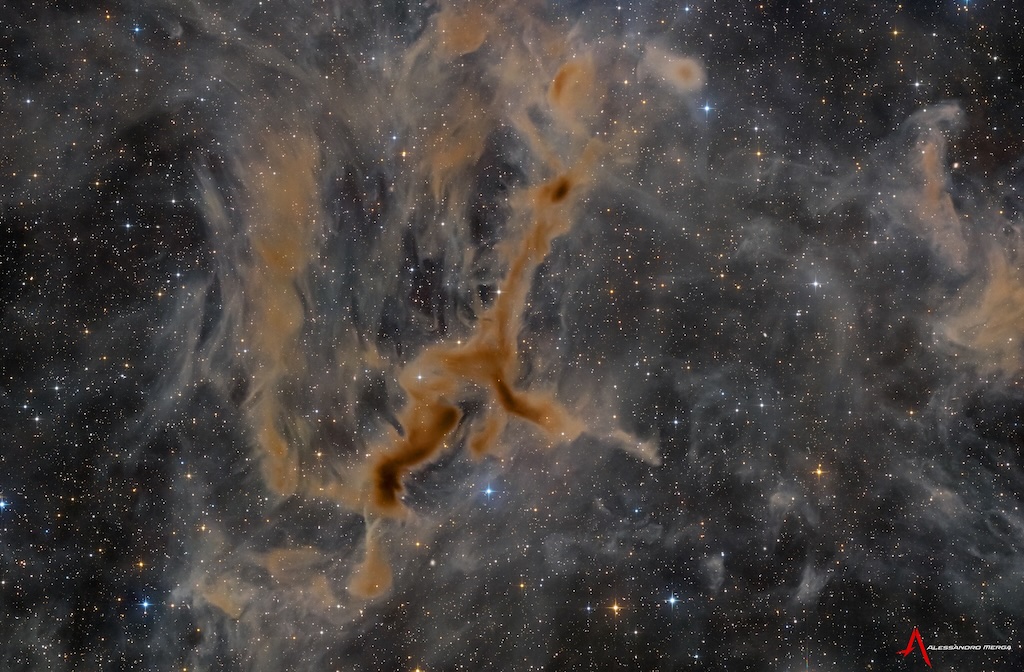
LDN 1295: The Giraffe Nebula
What does this image look like to you? Many see a giraffe facing right, with neck stretched high and long legs mid-stride (but some may see a squirrel instead). The featured image shows LDN 1295, also called the Giraffe Nebula, in the constellation of the mythical queen of Aethiopia (Cassiopeia). It is an object in the Lynds Catalogue of Dark Nebulas, compiled in 1962 by American astronomer Beverly Lynds, a pioneer for women in astronomy and astrophysics. Dark nebulas are interstellar clouds of dust and gas that block the visible light of the stars behind them. These nebulas are often faint and challenging targets for astrophotographers. Why do we see animal shapes and faces in nebulas, clouds, and pretty much everywhere? It is due to pareidolia, our tendency to look for familiar patterns. Pareidolia may provide animals with an evolutionary advantage, for example in identifying (and avoiding) predators. APOD's main NASA site is moving : From apod.nasa.gov to science.nasa.gov/apod
HD画像を見る →過去7日間のギャラリー
2026-09-09
Witness XZ Andromedae Wink
2026-09-08
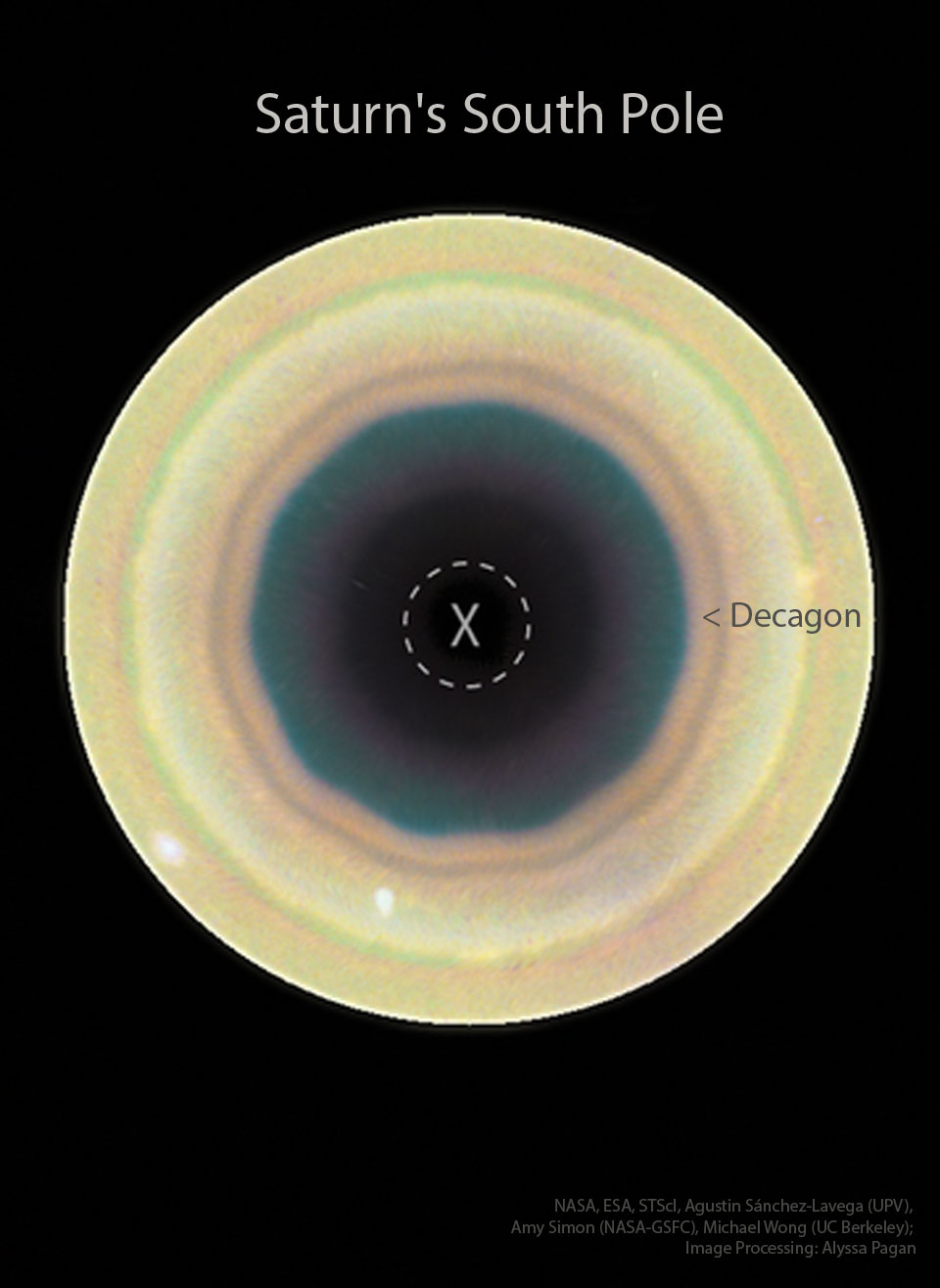
Hubble: Decagon Around Saturn's South Pole
2026-09-07
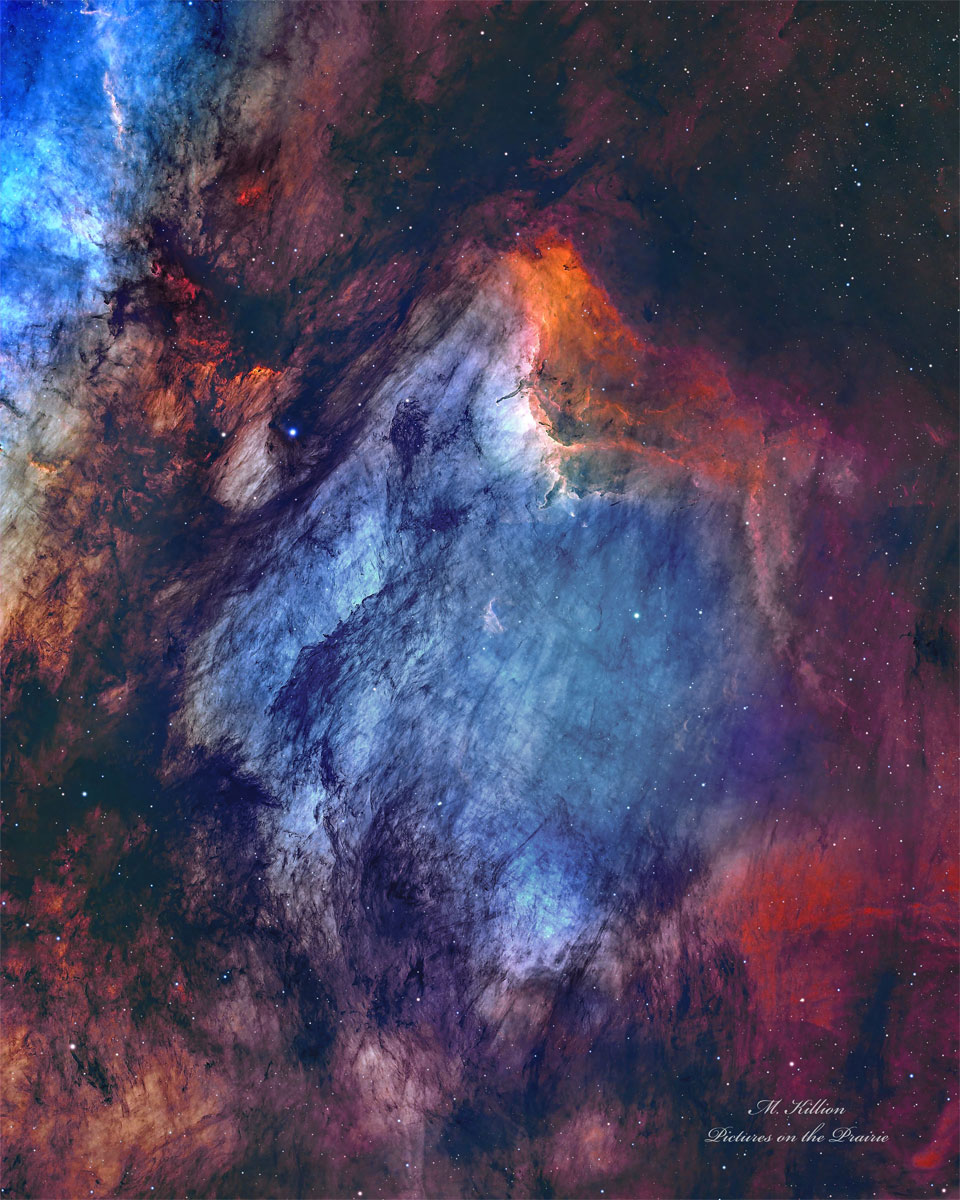
The Pelican Nebula in Gas, Dust, and Stars
2026-09-06
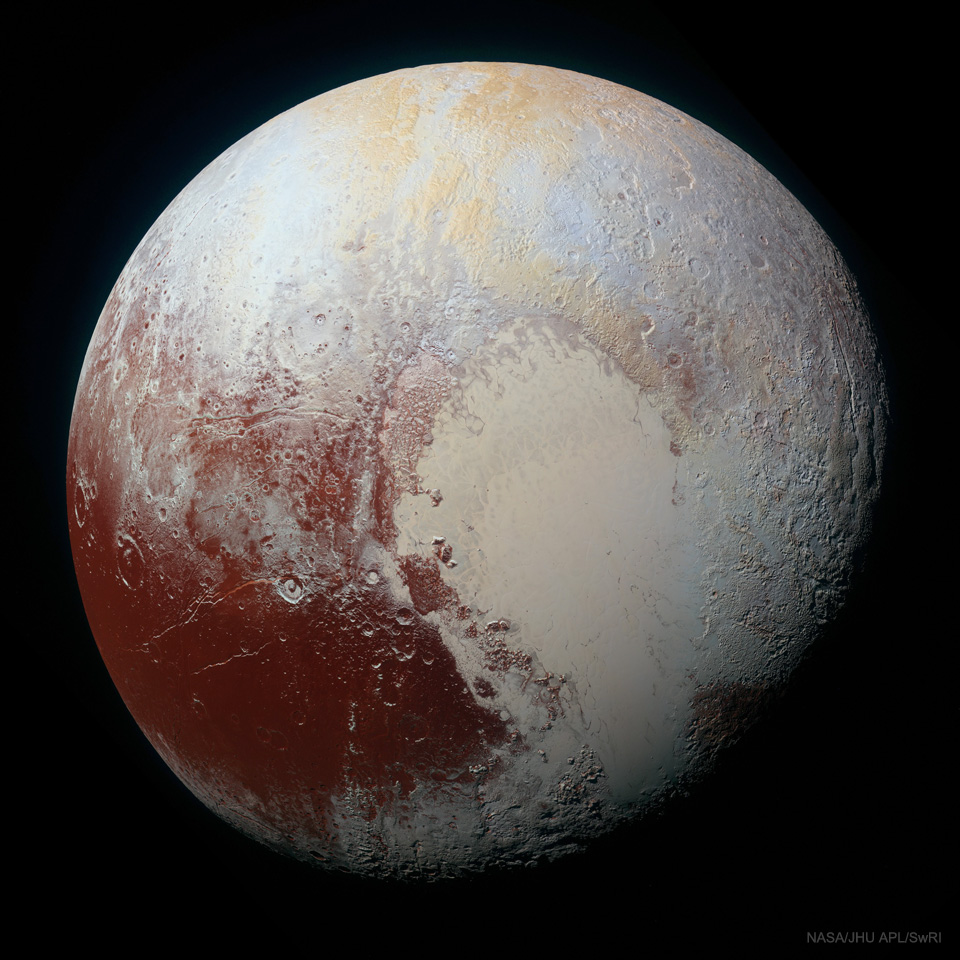
Pluto in Enhanced Color
2026-09-05
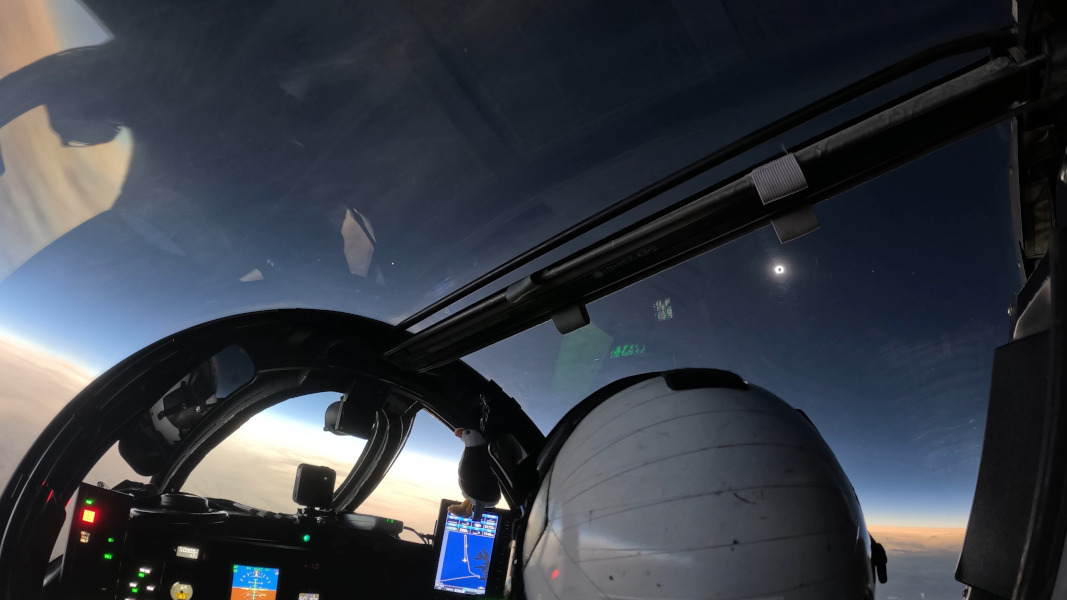
Chasing the Moon's Shadow
2026-09-04
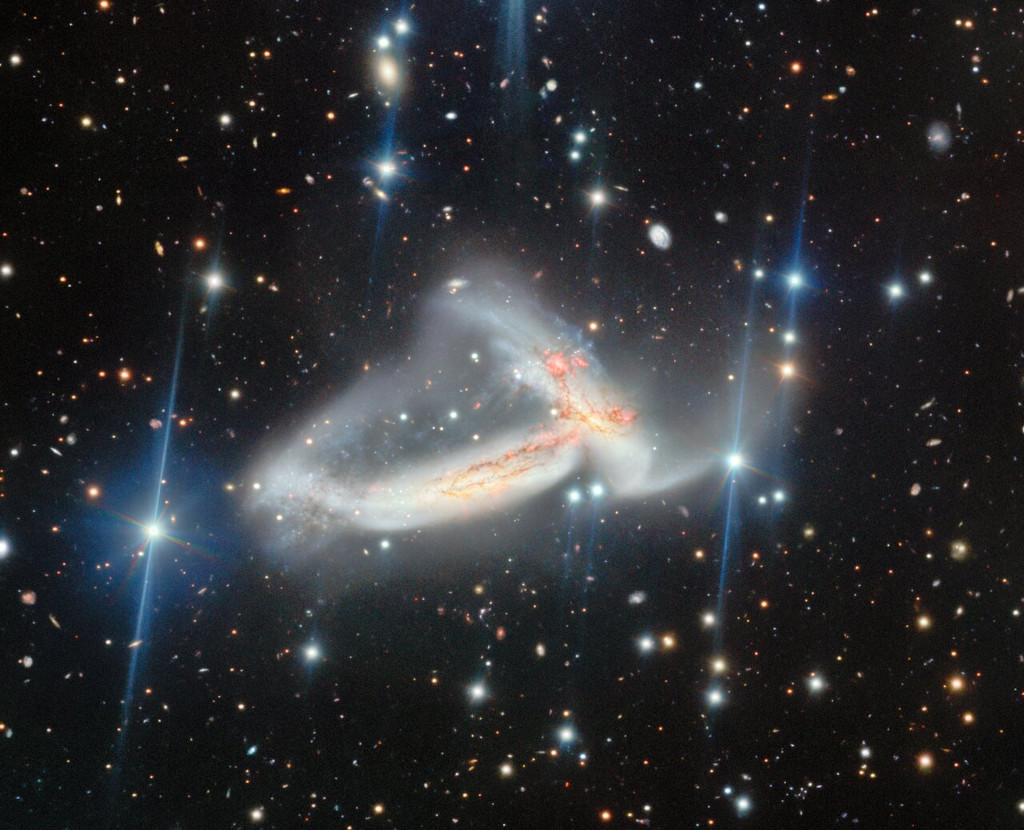
Nā ʻUhane Māhoe Huki Pū i ke Ola
🔭 望遠鏡で宇宙をもっと近くに
NASAの写真に映る天体を自分の目で見てみませんか?初心者向け天体望遠鏡なら、月のクレーターや土星の輪も観察できます。
天体望遠鏡を探す →